History of Wilpattu National Park has a long and fascinating history closely connected with Sri Lanka’s ancient civilization and natural heritage. The name “Wilpattu” is derived from the Sinhala words “Wil” (lakes) and “Pattu” (region), referring to the park’s many natural lakes, known as villus, which are one of its most distinctive features.
The area has been associated with Sri Lanka’s ancient history for centuries, with archaeological sites and historical remains found in and around the park. Wilpattu was first declared a wildlife sanctuary in 1938 and was later designated a national park in 1973, helping protect its extensive forests, wetlands, grasslands, and diverse wildlife.
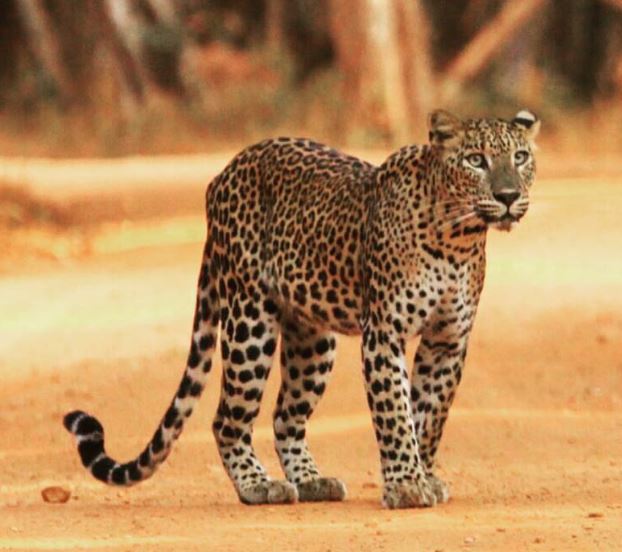
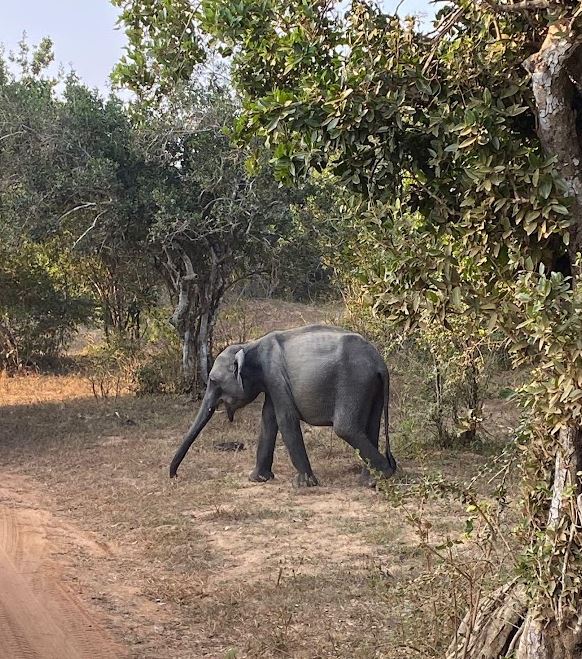
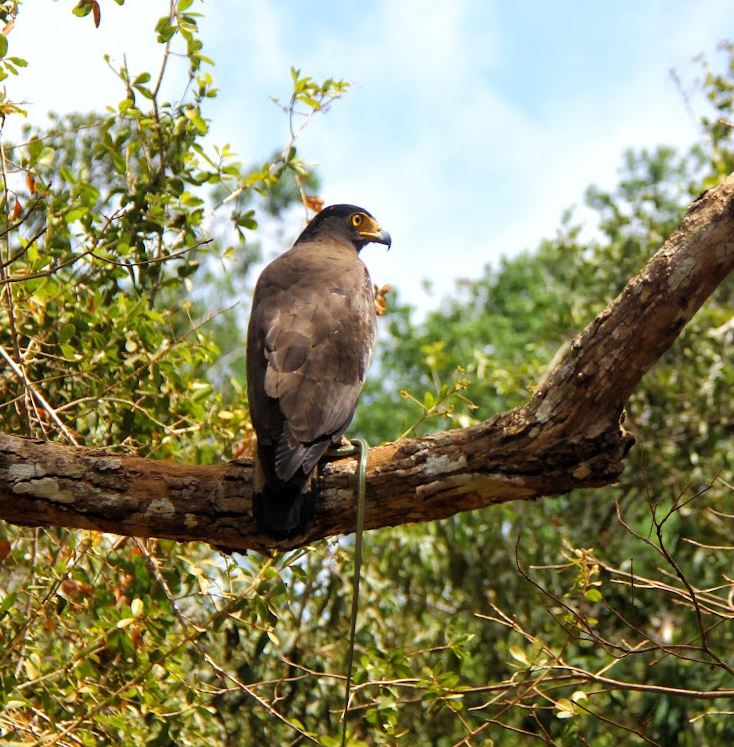
The park covers a vast area of northwestern Sri Lanka and provides an important natural habitat for Sri Lankan leopards, elephants, sloth bears, deer, wild buffalo, crocodiles, and numerous bird species. Today, Wilpattu remains one of Sri Lanka’s most important conservation areas, preserving both the island’s remarkable biodiversity and its valuable natural heritage.
Establishment and Historical Background
Wilpattu National Park, located in the northwestern region of Sri Lanka, is one of the country’s oldest and largest national parks, with a history closely connected to Sri Lanka’s ancient civilization and natural heritage. The name “Wilpattu” is derived from the Sinhala words “Wil” meaning lakes and “Pattu” meaning region, referring to the park’s numerous natural lakes, known as villus. The area has been associated with ancient settlements and historical sites for centuries. Wilpattu was declared a wildlife sanctuary in 1938 and was later officially designated as a national park in 1973 to strengthen the protection of its valuable ecosystems and wildlife.
Ecological Importance and Wildlife
Wilpattu National Park covers approximately 1,317 square kilometers, making it the largest national park in Sri Lanka. Its landscape consists of diverse habitats, including dense forests, dry-zone scrublands, open grasslands, wetlands, and numerous natural villus. Wilpattu is particularly famous for its Sri Lankan leopard population and is considered one of the best places in Sri Lanka to experience leopards in their natural habitat. The park is also home to elephants, sloth bears, sambar deer, spotted deer, wild buffalo, wild boar, crocodiles, monkeys, and a remarkable variety of bird species. These diverse habitats make Wilpattu an important area for biodiversity and wildlife conservation.
Tourism and Conservation Challenges
Wilpattu National Park has become an increasingly popular destination for wildlife tourism and safari experiences in Sri Lanka. Visitors explore the park by jeep, enjoying opportunities to observe leopards, elephants, sloth bears, deer, birds, and other wildlife while discovering its beautiful forests and natural villus. However, the park also faces conservation challenges, including habitat protection, human-wildlife conflict, illegal activities, and the environmental pressures associated with increasing tourism. Conservation efforts focus on protecting wildlife habitats, maintaining natural ecosystems, and promoting responsible and sustainable tourism so that Wilpattu remains a protected wilderness and an important natural heritage site for future generations.
Safari Packages
Private Afternoon Tour Itinerary
- 1.30 pm: Pick up from your hotel in the Wilpattu area hotels (within 4km) and transfer to Wilpattu National Park for Safari
- 2.00pm: Afternoon/Evening Wilpattu Safari Tour offers an exciting opportunity to explore the park during the cooler hours when wildlife becomes more active. You may spot Sri Lankan leopards, elephants, sloth bears, sambar deer, spotted deer, wild boar, monkeys, wild buffaloes, crocodiles, and many other animals. Wilpattu is also home to diverse birdlife, including peacocks, eagles, parrots, parakeets, owls, cranes, pelicans, and many more species. Explore the park’s unique villus (natural lakes), forests, and open grasslands while enjoying an unforgettable wildlife experience.
- 5.00pm – End of The Safari
- 5.30pm – Drop back to your hotel (within 4km)
NOTE: Time may be change depend on traffic and weather conditions.
Afternoon Tour Price
Rate – Adults Fee – Per Person
- Entrance ticket fee for Wilpattu National Park Safari Tour & Jeep: Per Person Cost Price (min 2 Person) – US$ 85 / EUR 82 / GBP 70) per foreign adult and US$ 45 / EUR 41 / GBP 35 per foreign child of age 03 – 12 years are applicable.
What is Included
- Free pick up and drop will be provided free of charge only to main entrance (within 4km) Wilpattu area hotels only.
- Private Jeep for your group and Professional Safari Driver
- Wilpattu Safari Tour Entrance Tickets
- All applicable taxes.
- Hotel Pick up and Drop Off near Wilpattu Park (within 4km)
Excluded
- Food & Drink
- Tips for Driver